japanese beetle life cycle in missouri
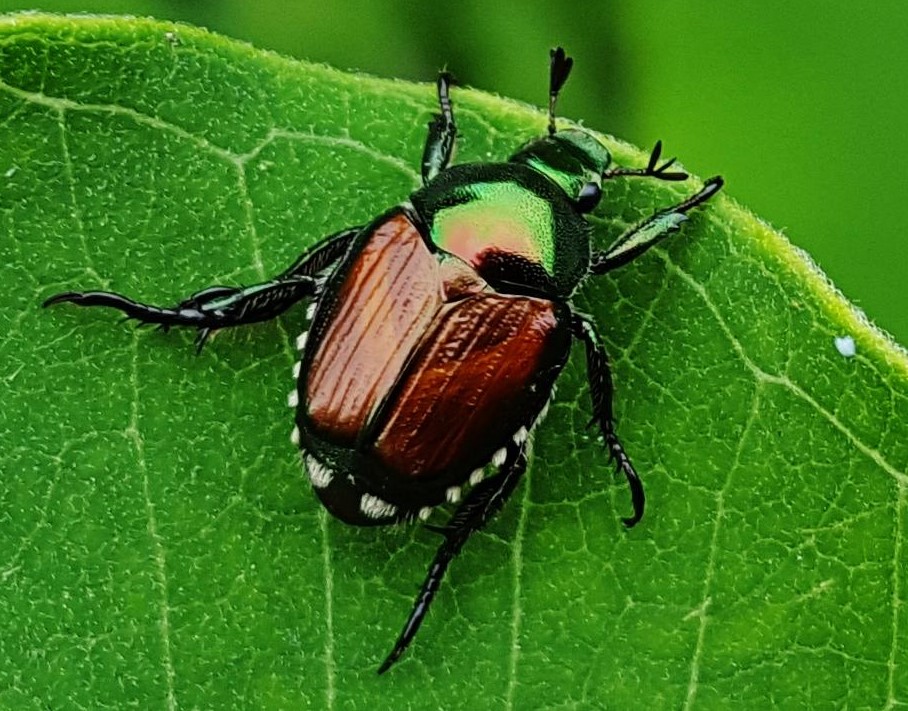
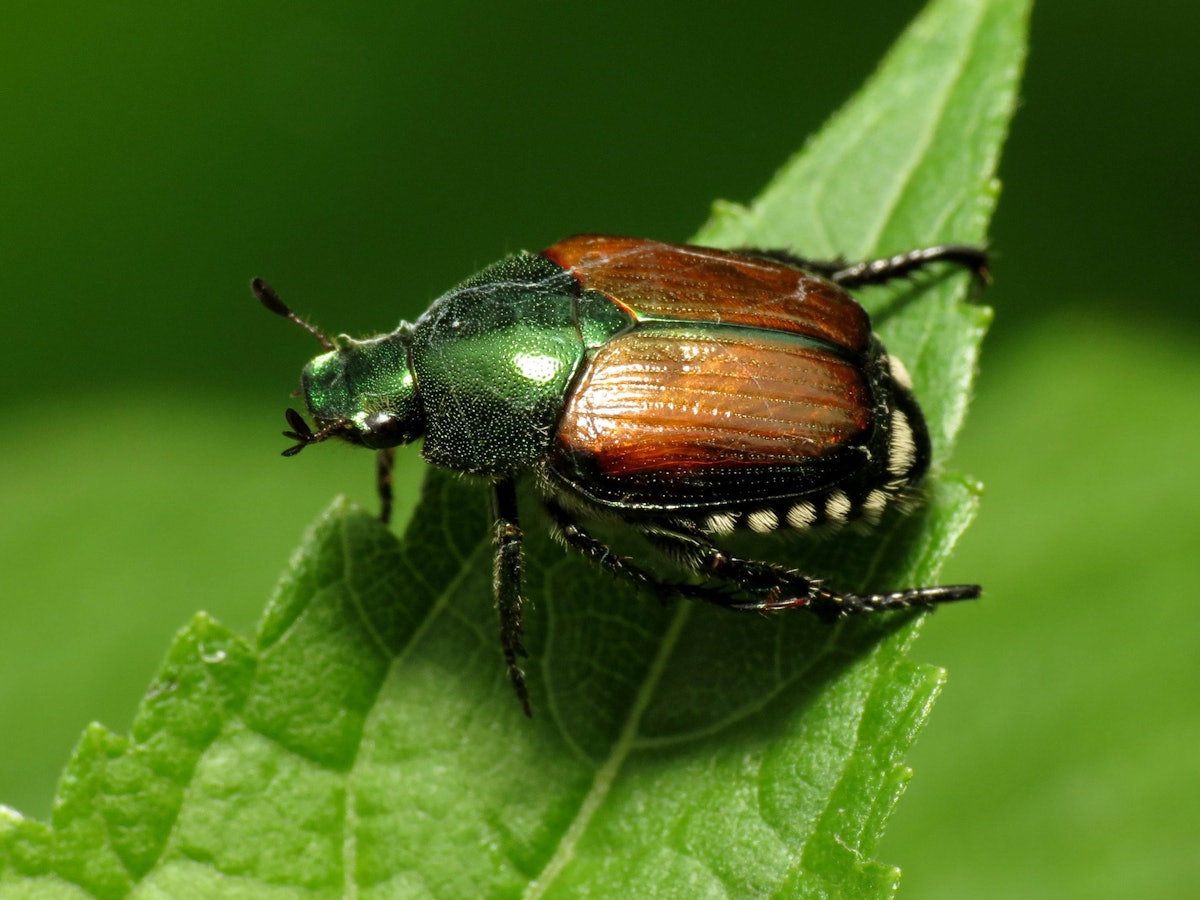
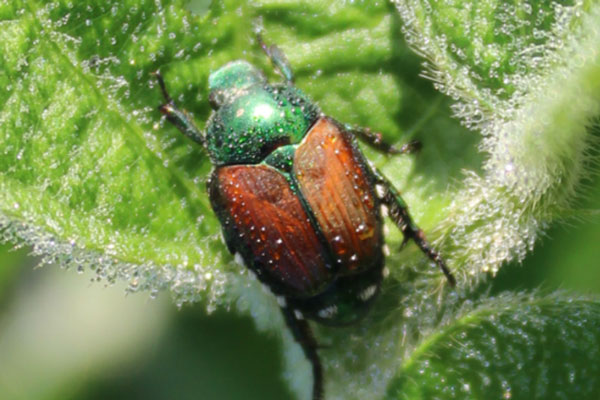
Japanese beetle adults are approximately 12inch in length metallic green in color with bronze or copper colored wing covers. Mature larvae feed on the roots of host plants causing severe damage over time while adults skeletonize leaves in groups as well as any fruit that may have grown.
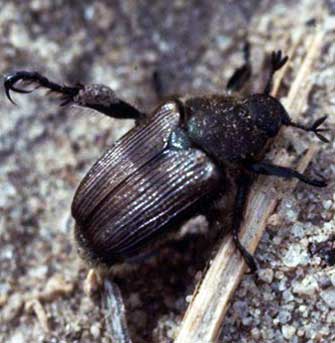
Managing Japanese Beetles In Asparagus Msu Extension
Japanese beetles overwinter as a partially grown grub in the soil below the frost line.
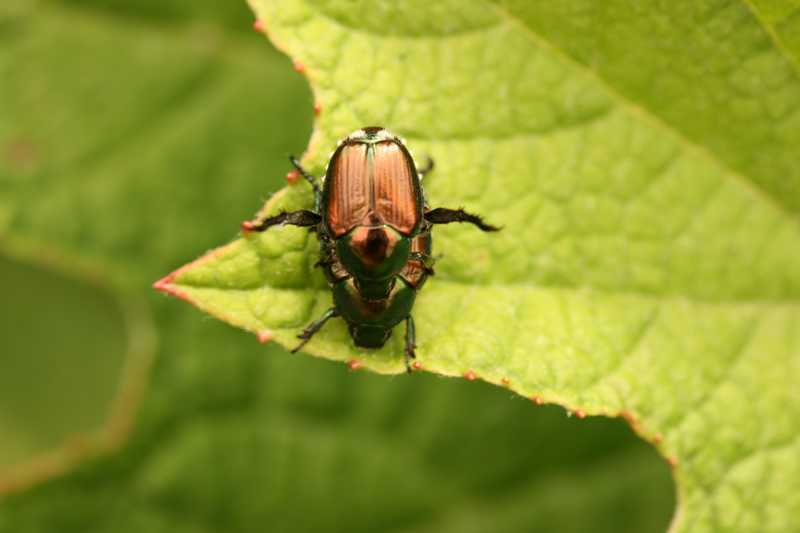
. Louis MO 63110 314 577-5100 hours and admission. The female flies can deposit up to 100 eggs during a period of about two weeks. Japanese beetle damage on a rose.
Thus their life cycle requires a full year to complete. An excellent diagnostic characteristic for the adult of this. Ideally start removing adults as soon as they appear.
Japanese beetle have one generation per year Figure 2. In the early spring they begin to feed again and turn into resting pupae. Male beetles are smaller than the females and remain in the host plant.
Beetles are insects that have a complete life cycle ie they have eggs larvae pupae and adult stages. The larvae feed on roots of grass and other plants close to the surface of the soil. As soil temperatures warm in the.
The Japanese beetle has four stages in its life cycle two of which can be destructive to your lawn and garden. The pupae hatch into adults and emerge from the soil in spring. Upon hatching the maggot bores.
Japanese beetles have a univoltine life cycleone generation per year. Females lay eggs in soil that hatch within seven to 14 days and. Life Cycle of the Japanese Beetle.
Adult Japanese beetle damage usually affects only the appearance of plants. The most susceptible life stage of the Japanese beetle is the newly hatched grub in the soil. Peak Japanese beetle population typically occurs in late July.
In most parts of its range the Japanese beetle completes its life-cycle in one year but some populations in cooler climates may complete their development in two years Vittum 1986. Rice noted that several. Female granulate ambrosia beetles are reddish to blackish brown cylindrical in shape and 2 to 25 mm long.
They over winter as third in star larvae in the soil below the frost line. Healthy mature trees and shrubs can tolerate a lot of feeding without. The grubs resume feeding on grass roots in the spring and then pupate near the soil surface.
The eggs are usually laid on the thorax of the female beetles. Most of the beetles life is. A feeding Japanese beetle puts out smells that attract other.
Stages of Japanese Beetle Life Cycle The life cycle of the Japanese Beetles consists of four stages of development called complete metamorphosis. Adults begin to emerge in May and feed on foliage through September.
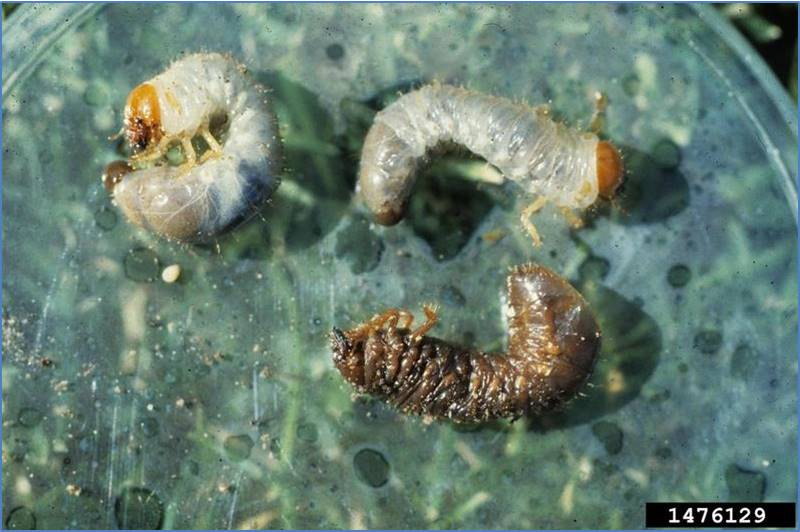
Organic Management Options For The Japanese Beetle At Home Gardens Missouri Environment And Garden News Article Integrated Pest Management University Of Missouri
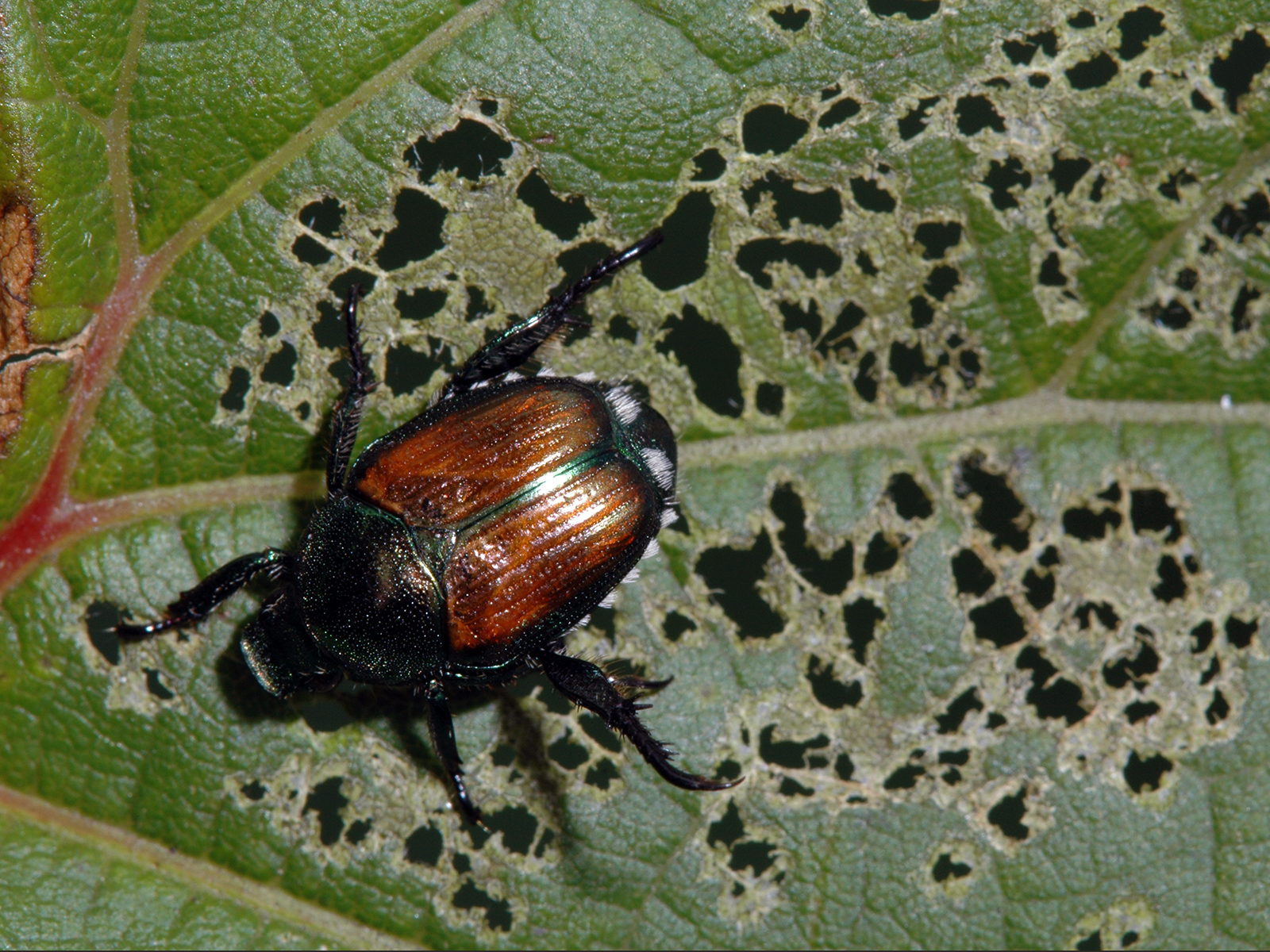
Managing Japanese Beetle Feeding Umn Extension

Japanese Beetle Identification And Management In Soybeans Golden Harvest
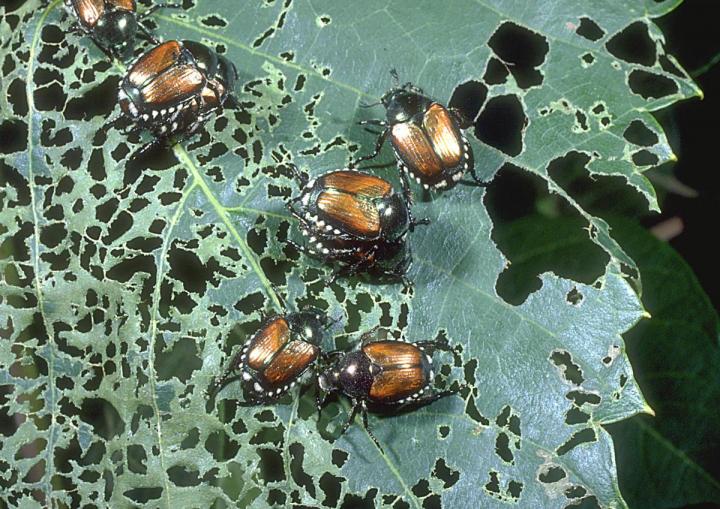
Japanese Beetles How To Get Rid Of Japanese Beetles The Old Farmer S Almanac

Japanese Beetle Missouri Department Of Conservation

Mu Entomologist Lists Pests To Watch In 2021 Corn South

Japanese Beetles Extension Entomology
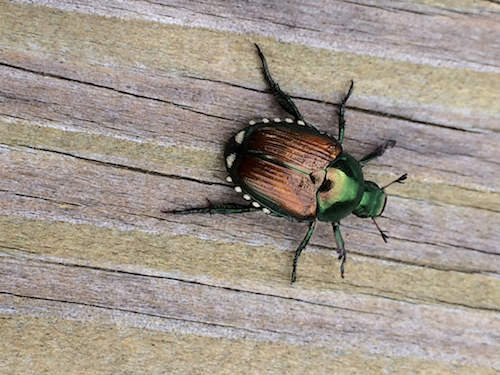
Japanese Beetles
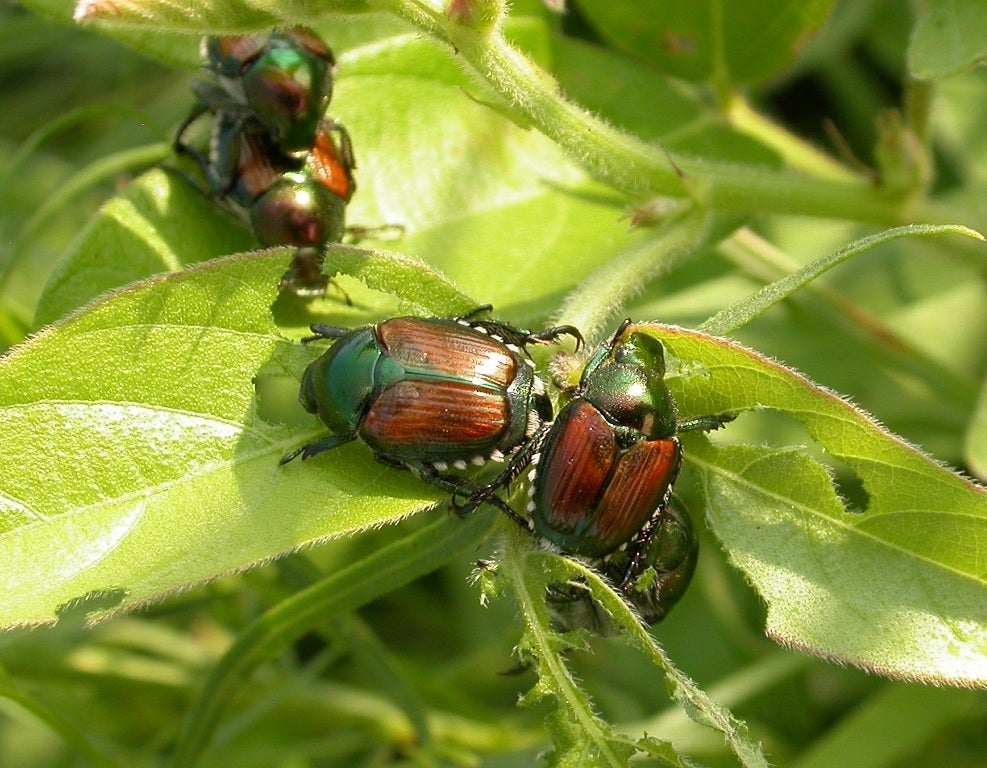
Japanese Beetles Missouri Department Of Conservation

Biology And Management Of Japanese Beetle G7412 Mu Extension

Japanese Beetle Ohioline

Missouri Beginning Farming Green June Beetle Can Damage Fruits Vegetables
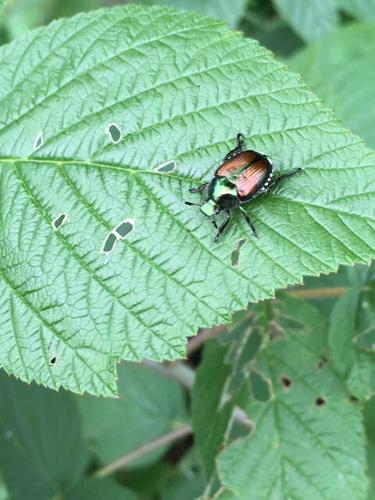
Japanese Beetles Eat More Than 300 Types Of Vegetation
Tree Cutting Springfield Mo Archives All About Trees
Stopping Japanese Beetles From Destroying Landscaped Yards Total Landscape Care
Japanese Beetle Pest Monitoring Integrated Pest Managment University Of Missouri
Japanese Beetle
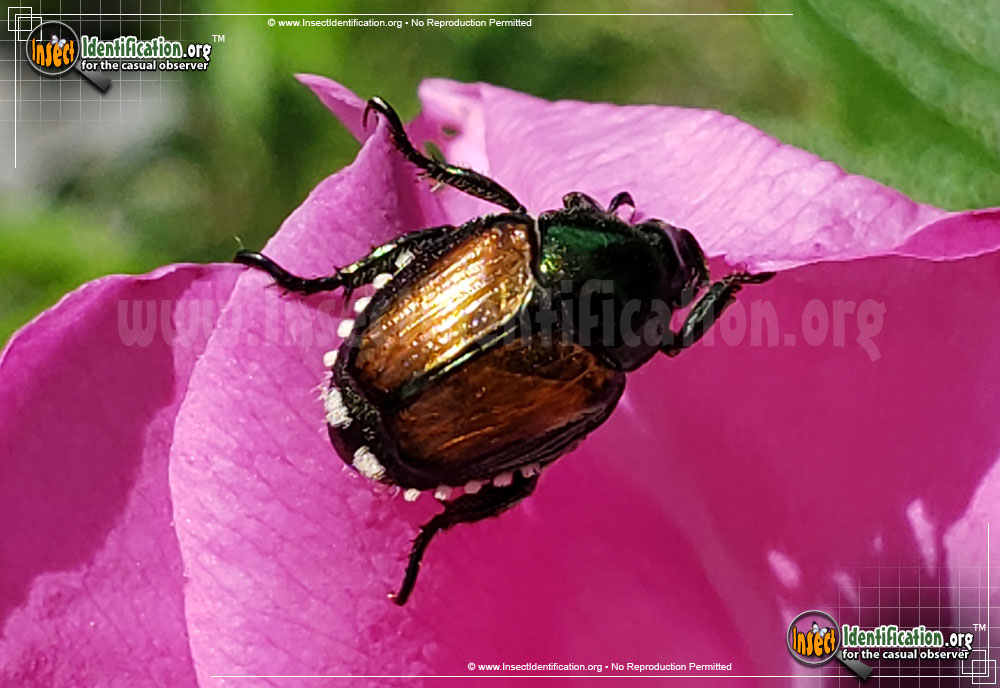
Japanese Beetle
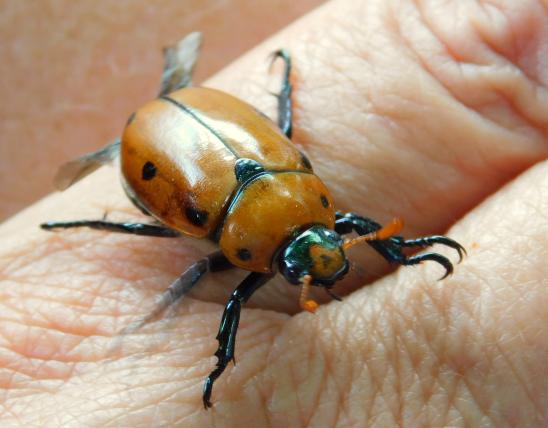
Japanese Beetle Missouri Department Of Conservation